
Categories
Brevard County, Florida Real Estate, Home Buyers, Home Sellers, Keller Williams Brevard, Lisa Ramsey, Real EstatePublished October 15, 2026
Hurricane Season and Home Buying: What Brevard County Buyers Should Check

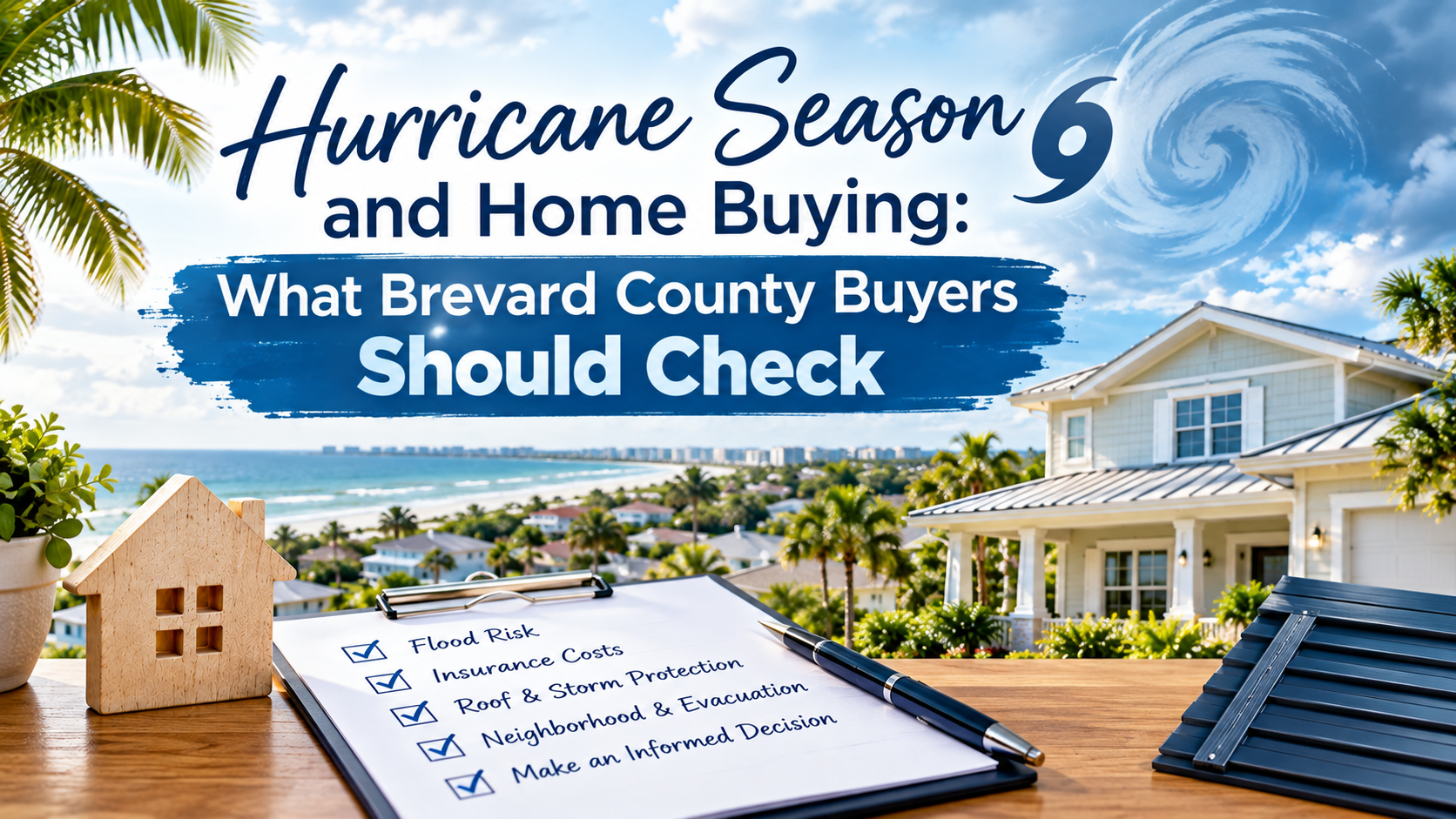
Buying a home on Florida’s Space Coast comes with plenty to love: coastal breezes, beautiful neighborhoods, waterfront living, and year-round outdoor activities. But if you’re planning to buy a home in Brevard County, Florida, during hurricane season, there’s one more thing to add to your checklist: how well the property can handle storms, wind, and flooding.
Florida’s Atlantic hurricane season runs from June 1 through November 30. Whether you’re searching in Melbourne, Palm Bay, Viera, Merritt Island, or Cocoa Beach, looking beyond the home’s appearance can help you make a more confident decision.
Here are five important things to check before making an offer.
1. Check the Flood Zone Before You Fall in Love
A home can look perfect during a sunny showing and still have flood risks worth understanding. Brevard County can experience flooding from heavy rainfall, coastal storm surge, the St. Johns River, and the Indian River Lagoon system. Brevard County’s flood information is a useful starting point.
Before buying:
- Check the property’s FEMA flood zone.
- Ask whether the home or surrounding streets have experienced flooding.
- Review drainage around the yard, driveway, and foundation.
- Ask whether an elevation certificate is available, if relevant.
Remember, a flood zone designation is only one part of the picture. A property outside a high-risk flood zone can still experience localized flooding after intense rain.
2. Understand Homeowners Insurance and Flood Coverage
Can you afford to insure the home—not just buy it? This is one of the most important questions to answer early.
Standard homeowners insurance generally does not cover flood damage. Separate flood insurance may be necessary, and availability and cost depend on the property and policy. Some policies may also have specific hurricane or windstorm deductibles.
Before your inspection or closing deadline, ask an insurance professional to provide estimates for:
- Homeowners and windstorm coverage
- Flood insurance, if needed or desired
- Hurricane deductibles and coverage exclusions
- The home’s roof age and any wind-mitigation discounts
Do this early. New flood insurance policies generally have a waiting period, often 30 days, although exceptions apply.
3. Inspect the Roof, Windows, and Storm Protection
The roof and openings are critical areas to examine when evaluating a Florida home.
During the home inspection, ask about the roof’s age and condition, visible signs of past leaks, window protection, and exterior doors. Check whether hurricane shutters or impact-rated windows are installed, and ask for documentation where available.
Also look for signs of water intrusion, damaged soffits, deteriorated sealant, and moisture in attics or garages. If the inspector identifies concerns, consider getting a qualified roofing contractor or other specialist to evaluate them before moving forward.
A newer-looking home is not automatically storm-ready, so rely on inspections and documentation rather than appearances alone.
4. Review Permits, Repairs, and Previous Storm Damage
A property’s history can reveal details that are not obvious during a showing. Ask the seller about previous storm damage, roof replacements, water intrusion, and major repairs. Request available permits, contractor invoices, warranties, and insurance-claim documentation.
If the home has been renovated, confirm that required permits were obtained and closed where applicable. You can also check relevant permit information through the appropriate local building department.
These steps can help you understand the home’s condition and identify questions to resolve before closing.
5. Look Beyond the Property Itself
Hurricane readiness is also about the neighborhood and your everyday routine.
Visit the area after rainfall if possible, and pay attention to low-lying roads, drainage, nearby waterways, and access routes. If you’re considering a beachside property in Cocoa Beach or Cape Canaveral, ask additional questions about coastal exposure and flood insurance. For inland areas such as Palm Bay, Melbourne, or Viera, evaluate local drainage and the specific property’s flood history rather than assuming inland means flood-free.
It’s also smart to learn your evacuation zone, identify nearby shelters, and understand local emergency alerts before moving in.
Make a Confident Home Purchase on Florida’s Space Coast
Make a Confident Home Purchase on Florida’s Space Coast, Buying a property that may be affected by storms doesn’t mean you should avoid a home you love. From flood zones and insurance quotes to roof condition and repair records, a little extra due diligence can help you make a more informed decision.
Planning to buy a home in Brevard County? Lisa Ramsey with Keller Williams Realty Brevard can help you navigate the local home search and identify the questions worth asking as you evaluate a property.
Lisa Ramsey | REALTOR®
Phone: (321) 615-5222
Email: LisaRamseySells@KW.com
Website: LisaRamseyRealty.com
This article is for general educational purposes and is not a substitute for professional home inspections, insurance advice, or flood-zone determinations.

Lisa Ramsey
Agent | Lisa Ramsey | Keller Williams Realty Brevard
or another way